Is Kayaking Good Exercise? My Experience of Paddling for Fitness
Is kayaking good exercise? Regular paddling has helped me feel stronger through my arms, shoulders, back and middle. A steady session gives you an aerobic workout, and your core helps control the boat throughout. The effort depends on how much time you spend paddling and how hard you work.

I’m a recreational kayaker, rather than a professional athlete. From my perspective, kayaking offers a worthwhile way to exercise, especially when you enjoy being on the water enough to keep going back.
You still need to put some effort in. An afternoon drifting downstream with occasional strokes involves a different level of effort from an hour moving the kayak under your own power.
How kayaking works your core muscles
The work through my middle stands out whenever I think about the physical benefits of kayaking. Keeping the boat balanced involves small adjustments, alongside the rotation used to drive each stroke.
Your abdominal muscles and obliques, the muscles along your sides, help control your torso. Regular practice strengthens your core through repeated rotation and balance adjustments, although the challenge varies between boats. Your hips and lower body help connect those movements to the boat.
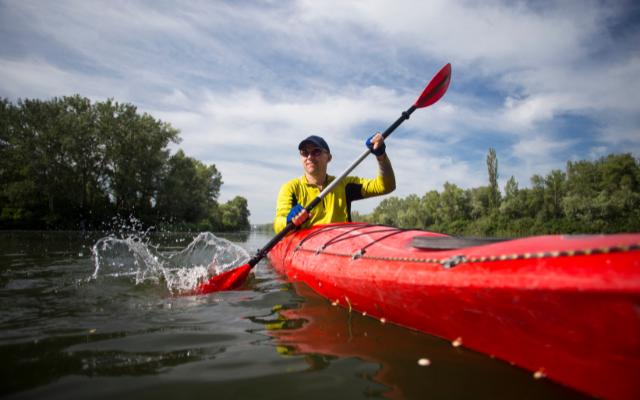
During a forward stroke, your upper body turns as the paddle enters near your feet and leaves around your hips. The University of Maine’s technique guidance describes torso rotation and contact with the footrests.
For me, this explains why kayaking offers a full-body workout, with your legs supporting the movement rather than working as hard as during cycling. Keeping the kayak settled and moving in the direction I want takes effort through my middle too.
You do not need rough water to work your core. Practising controlled strokes on sheltered water gives you plenty to concentrate on.
Building strength through your back, shoulders and arms
Several muscle groups share the paddling motion. Your back and shoulders help move the paddle, with your biceps and triceps contributing as your elbows bend and straighten. Your hands control the shaft. Your legs provide support through the footrests or footwell.
The improvement in upper body strength stands out for me. I’ve noticed stronger shoulders and back from paddling regularly. My arms get a workout as well, although I would not judge a good session by how sore they feel afterwards.
Sore forearms alone do not prove poor technique. New activity, an awkward paddle setup or gripping harder than necessary all deserve attention. To manage the risk of injuries, ask an instructor to check your setup and stroke before increasing the workload.
Start by sitting comfortably upright, keeping your shoulders relaxed and allowing your torso to turn. A lesson gives an instructor the chance to spot problems you would struggle to notice yourself and help you improve your technique.
Recreational kayaking develops muscular endurance through repeated strokes. To strengthen your whole body, add resistance training on land, including work for your legs.
Is kayaking good exercise for cardio?
A steady cardio workout needs more continuous paddling than an outing with frequent breaks. Your breathing gives you a useful guide to the effort.
The NHS describes moderate exercise as activity which makes you warmer and increases your breathing, with enough breath left for conversation but not singing. Vigorous exercise leaves you managing only a few words between breaths. Its adult activity guidelines recommend at least 150 minutes of moderate activity or 75 minutes of vigorous activity each week, alongside strengthening work on two days.
Kayaking contributes towards those targets when your effort reaches the appropriate level. Count the active paddling rather than the whole outing, including lunch and stops.
I feel the difference between an easy outing and a session where I maintain a purposeful pace. Both have their place. When exercise is the aim, spending longer paddling steadily matters more than how impressive the route sounds.
How many calories does kayaking burn?
The 2024 Compendium of Physical Activities rates moderate kayaking at 5 METs, a standard measure of activity intensity.
Using the rough calculation of METs × body weight in kilograms × hours, a 70 kg adult would use about 350 calories during an hour of moderate paddling. At 100 kg, the estimate rises to about 500 calories an hour.
These are gross estimates, including energy your body would use at rest. They are not measurements of your individual session. Breaks, effort and your physiology affect the result.
A demanding session involves substantial work, which matches how those outings feel to me. I would still avoid promising a fixed calorie total from an hour on the water.
My guide to calories burned kayaking covers the calculation and weight examples in more detail.
Kayaking is a low-impact exercise, with some limits
Kayaking is a low-impact activity because you avoid the repeated landing impacts of running. You spend the session seated, with the paddle providing resistance against the water.
Your shoulders, wrists and lower back still carry load. Boat fit, technique and the time spent sitting affect comfort. Carrying the kayak and getting in or out also involve movements beyond paddling.
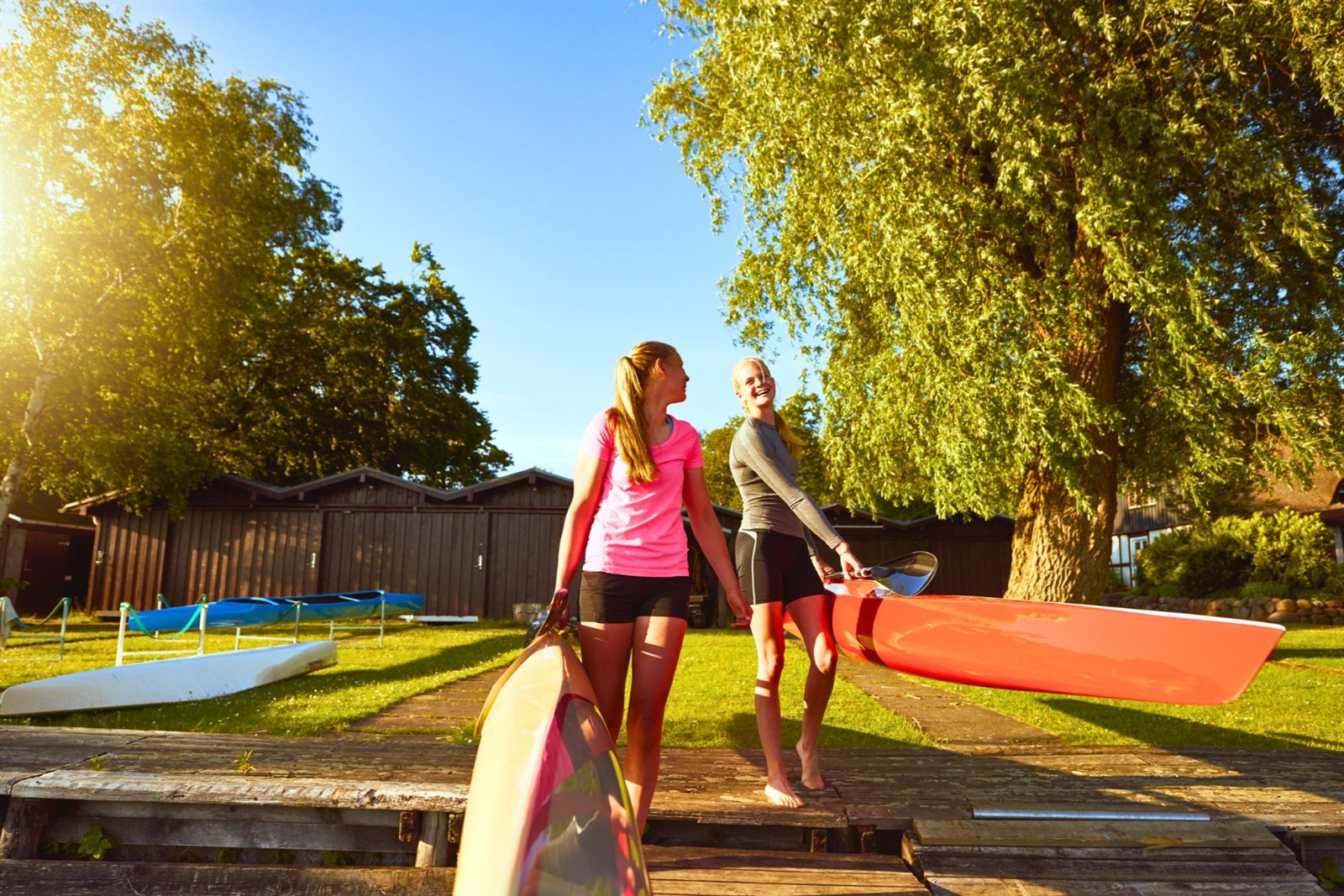
Try different recreational kayaks before buying. A sit-on-top gives you an open seating area, but check the seat support, foot position and how comfortably you get aboard. The right fit matters more than choosing a boat which looks fast.
Choose a short first outing with a straightforward place to land. Adjust the seat and footrests before setting off. If an existing injury or health condition affects exercise, discuss the activity with your clinician rather than treating kayaking as rehabilitation.
Additional benefits: why kayaking feels good for mental health
The mental health benefits matter to me alongside the physical effort. I feel good after a solid session, and spending time on the water adds something I value.
Research gives some support to the connection between waterside activity and mood. A BlueHealth study involving 59 adults found improved mood and wellbeing immediately after 20-minute walks beside water, compared with urban walks or resting.
The researchers studied walking, rather than kayaking. Their findings support a broader benefit from time beside water, without proving the same response for every paddler.
A manageable first kayaking workout
Choose a sheltered body of water with easy landing points and conditions suited to your experience. For a beginner who already knows the basic strokes, use this suggested 30-minute session.
| Time and effort | What to focus on |
|---|---|
| 0–5 minutes Easy | Settle into your seat and find a relaxed rhythm. |
| 5–15 minutes Steady | Keep smooth strokes and enough breath for conversation. |
| 15–25 minutes Steady | Hold your technique. Ease off or shorten the session if your strokes become untidy. |
| 25–30 minutes Easy | Slow down and return to your planned landing point. |
Shorten the middle section whenever your technique starts slipping. Build towards longer sessions gradually, rather than forcing a distance which leaves the return journey beyond your energy.
Once a steady pace feels comfortable, try brief increases in pace with easy recovery between them. Keep the changes controlled. Your aim is consistent strokes, rather than frantic splashing.
Increase effort on suitable sheltered water instead of seeking stronger currents or rougher conditions for resistance. The RNLI’s kayaking guidance recommends suitable flotation, checking conditions and learning recovery skills.
You do not need to finish exhausted for a session to count. I enjoy kayaking enough to build a routine around the activity, without making every outing a test.
Making kayaking for fitness a regular habit
The health benefits of kayaking matter to me because I enjoy the activity enough to return. I value the strength I’ve noticed through my upper body and middle, without needing to turn every trip into a training session.
A local club offers instruction, company and chances to meet new people. Ask about beginner sessions and boat fit before committing to equipment. If you want to kayak regularly, choose somewhere close enough for repeat visits. Regular exercise becomes easier to organise when an outing needs less planning.
Keep walking, cycling or other outdoor activities you enjoy alongside paddling. Add strength work for muscle groups which receive less attention in the kayak. For overall health, give the other major muscle groups attention too. A mix of activities supports overall fitness without expecting one sport to cover everything.
I’m Mark, enthusiastic paddler and owner of Kayak Mad! Read more about me and Kayak Mad.
A few practical questions
Is kayaking good exercise for beginners?
Yes. A short, supported session offers a starting point without requiring a long trip or fast pace. Choose suitable sheltered water, learn the basic strokes and leave enough energy for getting back and landing.
How often should you kayak for fitness?
Start with a frequency you recover from comfortably. One or two sessions a week offer a practical introduction, alongside other activity. Increase duration or frequency gradually as your paddling becomes more comfortable.
Does kayaking help with weight loss?
Kayaking burns calories and adds physical activity to your week. Weight loss also depends on eating habits and your wider routine. The NHS weight-loss guidance covers food, activity and sleep together. I would treat paddling as one part of the approach, without expecting a particular result from a weekly outing.
Is kayaking suitable for older adults?
A supported beginner session helps you assess comfort, balance and getting into or out of the boat. Choose a suitable kayak and short route rather than judging readiness by age alone. Discuss relevant health concerns with your clinician and tell the instructor about any limits.
Does kayaking replace a leg workout?
Your legs support balance and help transfer force through the boat, but a seated session gives them a different workload from squats, walking or cycling. Include separate leg exercises in a balanced fitness routine.
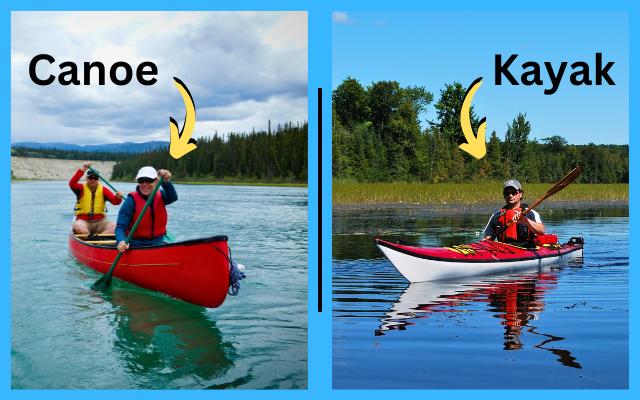
Is kayaking better exercise than canoeing?
Neither activity wins for every paddler. Effort, technique, duration and boat setup influence the workout. Choose the activity you enjoy and practise consistently, rather than expecting the paddle type alone to determine your results.